Key Takeaways
HVAC Google Ads can help you reach people already searching for heating and cooling work, but the useful measure is whether those searches lead to replacement consultations and booked installs.
- Separate repair searches from full system replacement searches.
- Compare Search Ads and Local Services Ads by how they charge and what you need to manage.
- Build campaigns around your service area and the install work you can take on.
- Track enquiries through estimates and jobs sold, not clicks alone.
- Respond quickly and follow up on estimates before opportunities go quiet.
The Short Answer: Do HVAC Google Ads Work?
HVAC Google Ads can work when your campaign attracts the kind of enquiry your company wants and your team can turn it into a real conversation. A click is only the start. If you want more full system replacements, make sure your ads and landing page speak to replacement needs rather than every HVAC service you offer.
The useful question is not whether an ad gets attention. It is whether a homeowner in your service area books a consultation, receives an estimate, and becomes a job your team can install. That path depends on the search, your offer, your response time, your sales process, and available crew capacity.
Treat the campaign as one part of your sales process. You still need clear service area settings, relevant search terms, a straightforward next step, and a way to connect the enquiry to the outcome. If your office is already stretched, more enquiries may create work without filling the install calendar with the right jobs.
Search Ads vs Local Services Ads
Google Search Ads and Local Services Ads can both appear when a homeowner looks for HVAC help, but they work differently. Search Ads are paid placements tied to searches and clicks. Local Services Ads are a separate lead based format for eligible businesses and categories. Check the current eligibility and requirements for your market before deciding whether to use them.
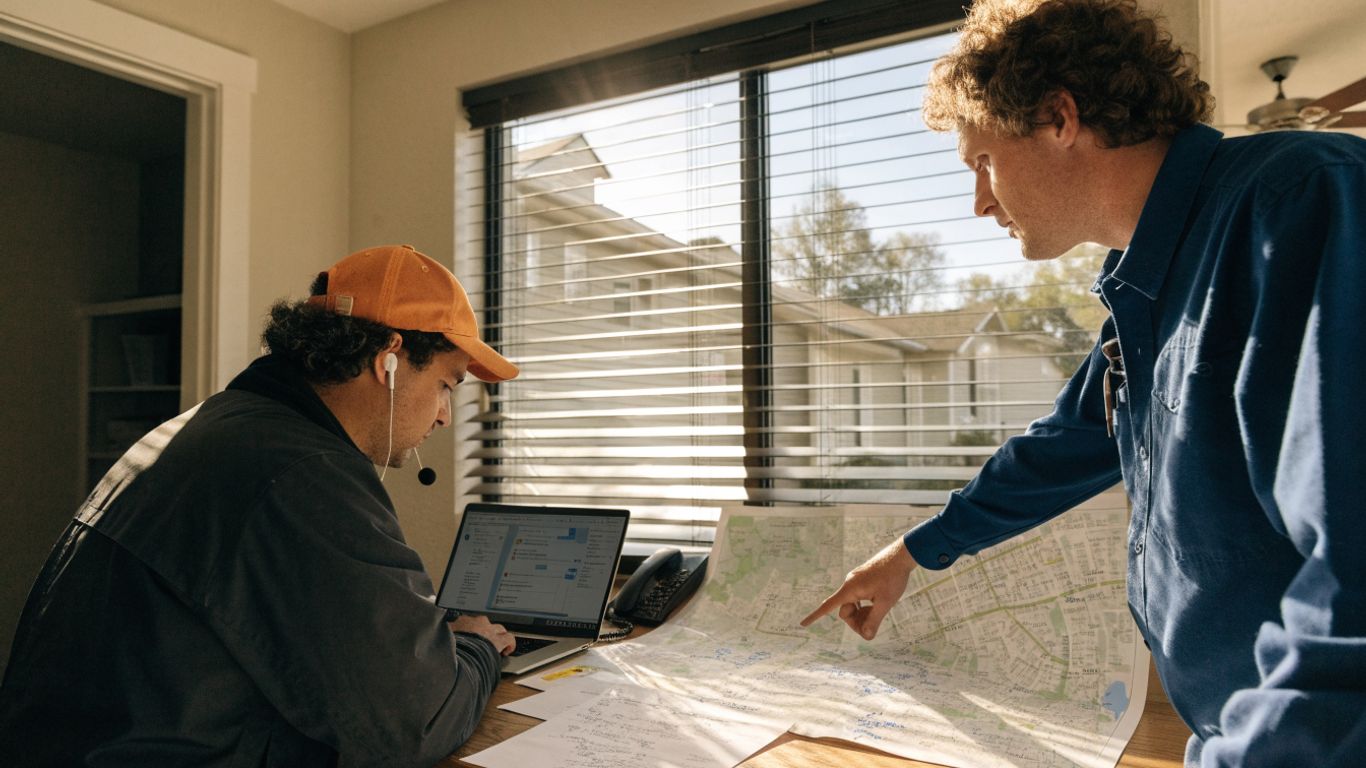
With Search Ads, you shape the campaign around the services, locations, and searches you want to target. You pay for clicks, so an irrelevant search can consume budget without becoming a useful conversation. Local Services Ads are designed around customer enquiries, with charges based on leads rather than clicks, according to Google Local Services Ads. The format and available features can vary by eligibility and location.
Neither format removes the need to qualify the opportunity. A call about a small repair may be useful work, but it is different from a full system replacement consultation. Keep separate records for the type of job, the appointment outcome, the estimate, and whether the customer accepted. Then compare each ad format against the work you actually want more of.
The Three Buyers Behind One Search
A search such as “HVAC company near me” does not tell you exactly what the person needs. One searcher may need a repair, another may be comparing replacement options, and someone else may be planning an upgrade. Your campaign should make the intended service clear before the person clicks or calls.
A homeowner facing repeated trouble with an older system may be weighing another repair against replacement. Someone with a planned project may be looking for a contractor to assess a full system changeout. A third person may simply be gathering information, without a near term decision. Those situations call for different conversations, and not every enquiry is ready to book an estimate.
Your ad and landing page can help set expectations, but your team still decides whether an opportunity is a fit. Ask a few useful first questions, such as the service ZIP code, system type, issue, and timing. The answers help your office route the request and prepare for a conversation, while the technical assessment stays with your HVAC team.
How to Set Up Simple HVAC Google Ads
Start with the install work you want, not with a long list of services. Choose the replacement types you can handle, the towns or ZIP codes your crews can reach, and the number of additional installs your calendar can absorb. Your campaign needs a clear purpose that an office team can recognize when the phone rings.
A focused setup also helps you catch avoidable mismatches. Use this short sequence before you publish or revise a campaign:
- Name the replacement work you want to promote, such as a furnace or complete system replacement.
- Set the geographic area to match where your crews actually work.
- Make the ad and landing page describe the same service and next step.
- Decide who will answer new enquiries and record what happens next.
After the campaign is live, read the actual search terms and enquiry details. If people are finding you for unrelated work, adjust the targeting or wording rather than assuming more clicks will fix the problem. Keep your page direct: explain the service, identify the area you cover, and make it easy to request a conversation. For a wider view of how a replacement focused marketing process can be organized, see the campaign process.
Keywords, ads, and the landing page
Pick keywords that name the job, not just the trade. A search for a new furnace or a full system replacement is closer to the work you want than a general search for HVAC help. Google says negative keywords let you stop your ads showing for searches you do not want, so add words for work you do not take, such as jobs, parts, or do it yourself repairs.
Write the ad like a short answer to the search. Say the service, the area you cover, and the next step, such as booking a free in home estimate if that is what you offer. Send the click to a page that repeats the same promise. If the ad says system replacement and the page lists ten services, many visitors will leave.
Then read the search terms report in your account. It shows the real words people typed before they saw your ad, so you can add negative keywords and spot searches worth their own ad group.
What to Count as a Win, and Budget by Install Calendar
Clicks and calls can show activity, but they do not tell you whether the campaign is producing work your crews can install. Track each enquiry through the steps that matter to your company: whether it was relevant, whether a consultation was booked, whether an estimate was delivered, and whether the job was sold. That gives you a more useful basis for decisions than traffic alone.
Use a simple scorecard so each stage has a clear meaning. The table below is a starting point, not a promise about what a campaign will produce.
| Stage | What to record | Why it matters |
|---|---|---|
| Enquiry | Source, location, and requested work | Shows what the campaign is attracting |
| Consultation | Whether a visit or conversation was booked | Shows whether the request moved forward |
| Estimate | Whether your team prepared an estimate | Connects marketing to sales activity |
| Job sold | Whether the customer accepted and the work was scheduled | Connects the campaign to install opportunities |
Tell Google what a win is. Google Ads can record conversions, which are the actions you choose to count. A booked consultation is a better action to count than a page view or a click. If your office can pass back which enquiries became sold jobs, even better, because then the account learns from real installs.
Use those records to assess the campaign in the context of your calendar. ThriveLeap360 reports on enquiries, consultations, estimates, and jobs sold, not just clicks. Its Replacement Opportunity Plan starts by defining service area, install capacity, the work you want, follow up, and what to measure. Your own budget decisions should also reflect the crew time available, seasonality, and the cost your business can afford per sale, rather than a generic spend target.
Think of budget as a dial tied to your install schedule. When crews have open days in the next few weeks, you may want to push harder. When the calendar is full, hold spend or narrow the service area so you do not sell work you cannot deliver. Heating and cooling demand also moves with the seasons, so plan to review the budget every month rather than set it once. Do not copy a spend number from another company. Start with what one sold install is worth to you after crew and material costs, and work back from there.
After the Click: Call Handling and Quote Follow Up
A relevant ad can still lead nowhere if a new enquiry sits unanswered. Decide who owns the first response during business hours and what happens when the call is missed. A fast, clear acknowledgement gives your office a chance to understand what the homeowner needs and arrange the appropriate next conversation.
The handoff matters as much as the first response. ThriveLeap360 supports enquiry capture and routing, follow up setup and monitoring, and reporting. Your office confirms appointments, while your team handles technical assessments, estimates, pricing, proposals, financing terms, and installation. A process should make those responsibilities easy to see, not blur them.
What the person on the phone says matters as much as the ad. Whoever answers should greet the caller, ask the first questions (ZIP code, system type, issue, timing), and offer a clear next step. Keep a short written script. A missed call from a paid ad is money already spent, so route missed calls to a person who calls back the same business day, or sooner if you can.

Quote follow up deserves its own routine. Set a reminder for estimates that have not received a response, note the customer’s preferred contact method, and record the result of each attempt. Estimates from ad leads often go quiet after a few days, so plan a follow up at set points, such as the next day and again the following week. If you want more replacement work, the point is not to pressure every homeowner. It is to keep a useful conversation from disappearing because nobody knew who was meant to follow up.
A 15 Minute HVAC Google Ads Check and Agency Red Flags
You do not need a complicated review to catch basic problems. Set aside a short block of time and check whether the campaign is still aligned with your service area, replacement goals, and crew capacity. The review is more useful when you bring enquiry and estimate records, not just a platform screen full of clicks.
- Do the search terms in your report match the work you want?
- Does the landing page match the ad?
- Is each new enquiry answered, and by whom?
- Can you trace three recent enquiries to a consultation, estimate, or sold job?
- Is spend in line with open install days?
Ask whether the search terms match the work you want, whether the destination page matches the ad, and whether someone is responding to new enquiries. Then check a few recent enquiries through to their current status. If you cannot tell which ones became consultations, estimates, or sold jobs, improve the record keeping before you increase spend.
Be wary of reporting that stops at impressions, clicks, or raw lead counts, and ask who owns the account data and how follow up is handled. A sensible partner should be clear about responsibilities, measurement, and what happens if the approach is not a fit. For a company focused on replacement work, how the service works is a practical reference for the division between marketing tasks and the contractor’s sales and installation responsibilities.
A simple report to ask for
Whoever runs your account, whether in house or an agency, should be able to send you one page each month. It should show spend, enquiries, booked consultations, estimates, jobs sold, and the search terms that brought the best and worst enquiries. If the report shows only clicks and impressions, ask for more. You should also own the Google Ads account and be able to log in to it.
When not to run ads yet
Wait if nobody can answer the phone in business hours, if you have no clear service area, or if you cannot track what happens to an enquiry. Wait too if your crews are booked out and you cannot take more installs. Ads bring more demand, and that only helps when you can serve it. Fix the follow up process first, then switch ads on.
Conclusion
HVAC Google Ads are worth judging by whether they help your team book and sell the replacement work your crews can handle, so keep your targeting, response process, and reporting tied to the install calendar.
Want more replacement conversations on your calendar? Tell us where you work, what systems you want to install, and what your crews can take on, then get your plan. You can also see how it works first.
Frequently Asked Questions
Do HVAC Google Ads work for replacement jobs?
They can help you reach people searching for HVAC services, but results depend on the search, targeting, offer, response process, and sales follow through. Track consultations, estimates, and jobs sold to judge whether the campaign is useful.
How much should you spend on HVAC Google Ads?
There is no single budget that fits every contractor. Consider your service area, the replacement work you want, available install capacity, seasonality, and what your business can afford per sale.
What is the difference between Google Search Ads and Local Services Ads?
Search Ads are paid placements where charges are tied to clicks. Local Services Ads are a separate format that charges for customer leads, subject to current eligibility and requirements in your area.
Should you advertise repairs or replacements?
That depends on the work your company needs and can handle. If full system replacements are a priority, make the replacement offer clear while keeping other services distinct in your marketing and tracking.
How do you know whether an HVAC ad lead is qualified?
Record the location, requested work, system details, timing, and whether the person booked a consultation. Your team can then determine whether the request fits your service area and replacement goals.
How quickly should your office respond to an HVAC enquiry?
Set a clear response owner and aim to acknowledge new enquiries promptly. If a call is missed, decide who returns it and record the follow up so the request does not get lost.
What should you track after an HVAC estimate?
Record whether the estimate was delivered, whether follow up took place, and whether the customer accepted or declined. Connecting those outcomes to the original enquiry helps you judge marketing by business activity rather than clicks alone.